

Dental Holidays as a Marketing Framework for Dentists in the U.S. and Canada in 2026
Source: Dr. Marketing
Most dental clinics do not struggle with wanting to market. They struggle with knowing
what to say, when to say it, and how to stay consistent without sounding repetitive .
That is exactly where dental holidays and oral health awareness months become useful, not as generic awareness moments, but as built-in marketing anchors you can plan around all year. When used well, dental holidays give your content direction. They help you stay relevant, timely, and educational without constantly reinventing your messaging or relying on promotions. For dental clinics in the United States and Canada, the added advantage is that most dental observances align closely across both countries, making it possible to plan one strong content calendar instead of juggling multiple versions.
This guide breaks down the
most important dental holidays of 2026 and explains how dentists and dental clinics can realistically use each month to support patient education, appointment flow, and long-term practice growth.
Why Dental Holidays Matter for Dental Marketing and SEO

Dental holidays work because they match patient behavior. Patients do not think about oral health the same way every month. Their priorities shift with seasons, school schedules, travel plans, and insurance timelines. Dental holidays naturally align with those shifts, which makes your messaging feel relevant instead of random.
From a marketing and SEO standpoint, these observances also align with real search behavior. People search more about children’s dental care in February, oral cancer screenings in April, gum disease in September, and dental insurance toward the end of the year. Publishing content that matches those patterns helps your dental clinic stay visible when patients are actively looking for information.
More importantly, dental holidays allow you to educate without pushing. When education comes first, trust follows, and trust leads to bookings.
January 2026

Why January Sets the Tone for Your Dental Marketing All Year
January is when motivation is high, and excuses are low. Patients are thinking about routines, goals, and health decisions they postponed last year. For many dental clinics, this makes January one of the strongest months for preventive care conversations. Instead of focusing purely on insurance or resolutions, January marketing works best when it helps patients understand what to prioritize. Content that explains why regular dental exams, cleanings, and early treatment planning matter resonates more than generic reminders. This is also a smart month to position your clinic as proactive rather than reactive. When patients feel guided instead of rushed, they are more likely to commit early in the year.
February 2026
The Month Parents Pay Attention: Using Children’s Dental Health Month Effectively
February is one of the most valuable awareness months for dental clinics that serve families. Parents are actively paying attention to children’s health routines, and schools often reinforce oral health messaging during this time. What makes February effective is not just the focus on children, but the opportunity to educate parents without overwhelming them. Topics like brushing habits, cavity prevention, first dental visits, and age-appropriate care perform especially well when they are practical and reassuring.
Rather than repeating basic tips, this month is an opportunity to address real parent concerns, such as how early cavities form or when orthodontic evaluations should begin. Clinics that approach February with clarity and empathy tend to build long-term family loyalty.
March 2026

When Daily Habits Meet Dental Health: Nutrition Month and World Oral Health Day
March is where dental education can really stand out.
Nutrition and oral health are closely connected, yet many patients underestimate how much daily food choices affect teeth and gums. March allows dentists to explain those connections in a way that feels relevant and current, especially as more patients pay attention to overall wellness. World Oral Health Day on March 20 adds a broader awareness angle that works well for educational content. This is a great time to talk about how oral health fits into overall health, without resorting to vague or outdated claims. March content performs best when it helps patients connect the dots between everyday habits and long-term dental outcomes. It is less about appointments and more about understanding.
April 2026
The Most Overlooked Awareness Month in Dentistry and Why It Matters
April is one of the most important months in the dental calendar, yet it is often handled poorly. Either it is ignored completely, or it is approached with messaging that feels uncomfortable or overly alarming. The most effective oral cancer awareness marketing focuses on clarity and reassurance. Patients should understand that oral cancer screenings are a routine part of dental exams and that early detection is a standard part of preventive care.
This month gives dentists a reason to explain what screenings involve, why they matter, and how regular dental visits support early detection. When handled well, April strengthens trust and reinforces the value of ongoing care.
May 2026

Turning Routine Dental Care Into a Reason to Rebook
May is about reinforcing consistency.
By this point in the year, many patients have either stayed on track with dental visits or quietly fallen behind. National Dental Care Month gives clinics a natural opportunity to talk about routine care without sounding repetitive. Content in May should remind patients that dental care is not just for emergencies. Explaining the long-term benefits of regular checkups, cleanings, and early intervention helps patients understand why consistency matters. This month is especially useful for re-engaging patients who may have missed appointments earlier in the year.
June 2026
When Cosmetic Dentistry Interest Peaks and How to Educate Without Overselling
June brings a noticeable shift in patient interest. With summer events, weddings, and travel approaching, many people start thinking about the appearance of their teeth. National Smile Month allows dental clinics to talk about cosmetic dentistry in an educational way. Instead of focusing on trends or superficial outcomes, strong content explains what cosmetic treatments involve, who they are suitable for, and how they fit into overall dental care. This is also a month where social and blog content tend to perform well together, helping clinics increase visibility while still providing value.
July 2026

How to Stay Visible When Summer Schedules Get Messy
July is often quieter for dental clinics, but that does not mean marketing should stop. Summer brings different risks and habits, from sports injuries to travel routines that disrupt oral care. July content works best when it addresses these realities directly. Educational topics like mouth guards for sports, protecting teeth during outdoor activities, and maintaining oral hygiene while travelling feel timely and practical. Rather than pushing urgency, July marketing should focus on staying helpful and relevant.
August 2026
The Back-to-School Rush Dentists Can Actually Prepare For
August is one of the most predictable and reliable months for dental marketing. Families are already organizing schedules, making this a natural time to book dental exams and cleanings. Back-to-school dental content performs well because it aligns with what parents are already planning. Strong August messaging emphasizes preparation rather than pressure. Helping parents understand why dental visits fit into back-to-school readiness leads to higher engagement and better appointment flow.
September 2026
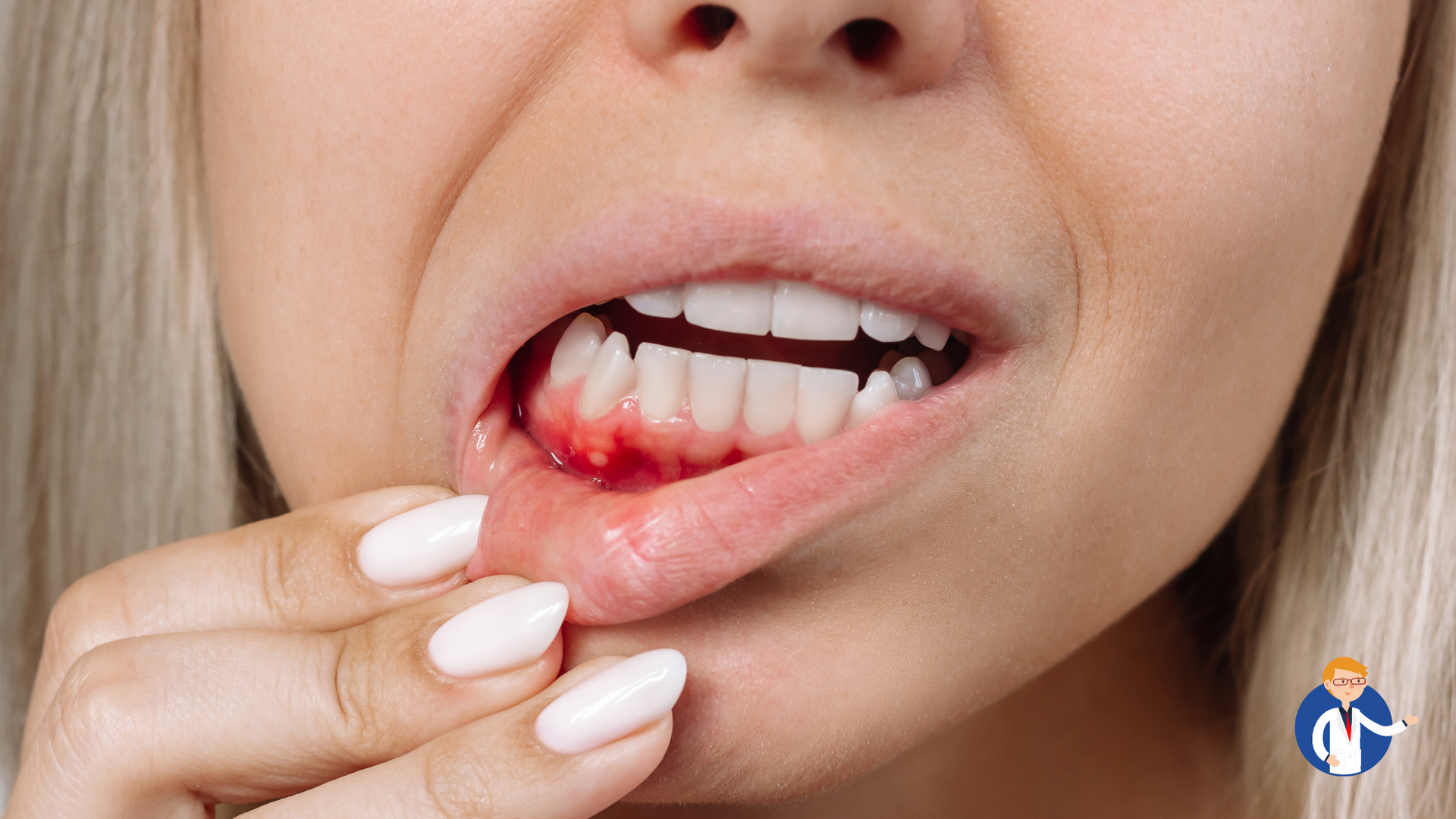
The Month Patients Do Not Realize Their Gums Need Attention
Gum disease remains one of the most common and misunderstood oral health issues. September provides a clear opportunity to address it thoughtfully. Rather than focusing on advanced stages, effective Gum Care Month content explains early signs, risk factors, and why gum health matters. Patients are often surprised to learn how common gum issues are, which makes education especially impactful during this time. This month supports long-term oral health conversations and reinforces the importance of regular dental evaluations.
October 2026
Where Prevention Meets Real Life: Hygiene Awareness and Halloween Habits
October combines professional care education with seasonal habits that affect oral health. Dental Hygiene Month allows clinics to explain the role of hygiene visits and daily oral care in a way that feels relevant, not routine. Patients often understand cleanings in theory but not in detail, making this a great time to clarify their value.
Halloween adds a natural opportunity to talk about sugar and cavity prevention without sounding judgmental. Practical guidance tends to resonate more than strict rules.
November 2026

Awareness Without Alarm: Keeping Oral Cancer Education Patient-Friendly
November continues oral cancer awareness with a renewed focus on education and early detection. This month also serves as a bridge into year-end planning. Patients begin thinking about remaining appointments and future scheduling, making November a good time to reinforce the importance of routine visits without urgency. Educational content paired with gentle reminders works especially well during this period.
December 2026
The Final Push That Does Not Have to Feel Pushy
December is one of the most action-driven months in dental marketing, but it should still be handled carefully. Patients are often confused about unused benefits and what happens if they delay care. Clear, straightforward explanations perform better than high-pressure messaging. December content should help patients understand their options, encourage timely scheduling, and prepare them for the year ahead. When done well, it supports both short-term bookings and long-term retention.
How Dentists and Dental Clinics Should Use This Guide

This guide is not meant to be read once and forgotten. It is designed to be used as a planning tool that helps your dental clinic stay consistent, relevant, and organized throughout 2026.
Start by looking at the year instead of reacting month by month. Each dental holiday and awareness period gives you a clear reason to communicate with patients. When you plan these moments in advance, marketing stops feeling random and starts supporting your schedule, your services, and your long-term goals. Use this guide to map out your core content early. One well-planned topic each month can easily support a blog post, a short email campaign, and several social media posts without needing to reinvent the message each time. This approach keeps your messaging aligned and saves time for your team.
This guide is also helpful for prioritizing what to talk about and when. Instead of pushing the same services all year, you can match your messaging to what patients are already thinking about. Families are more receptive to children’s dental content in February, preventive care reminders feel natural in May, and insurance-related conversations make more sense toward the end of the year. For multi-location practices or clinics serving patients in both the United States and Canada, this guide makes it easier to stay consistent across markets. The observances are aligned, which means you can plan one content strategy and adjust the wording as needed, rather than managing separate calendars.
Most importantly, use this guide to reduce last-minute decision-making. When you know what your marketing focus is for each part of the year, you spend less time scrambling for ideas and more time delivering clear, helpful communication that keeps your dental clinic top of mind.
Final Thoughts

Dental holidays are not about filling a calendar. They are about creating structure, relevance, and consistency in your dental marketing.
When dental clinics plan around these observances, marketing becomes easier to manage and more effective. Instead of guessing what to say each month, you can meet patients where they already are, with information they want.
For dental clinics in the U.S. and Canada, this approach allows you to stay visible, educational, and patient-focused throughout all of 2026 without sounding repetitive or outdated.
Ready to grow your dental practice? Let’s talk.
Recent Posts